












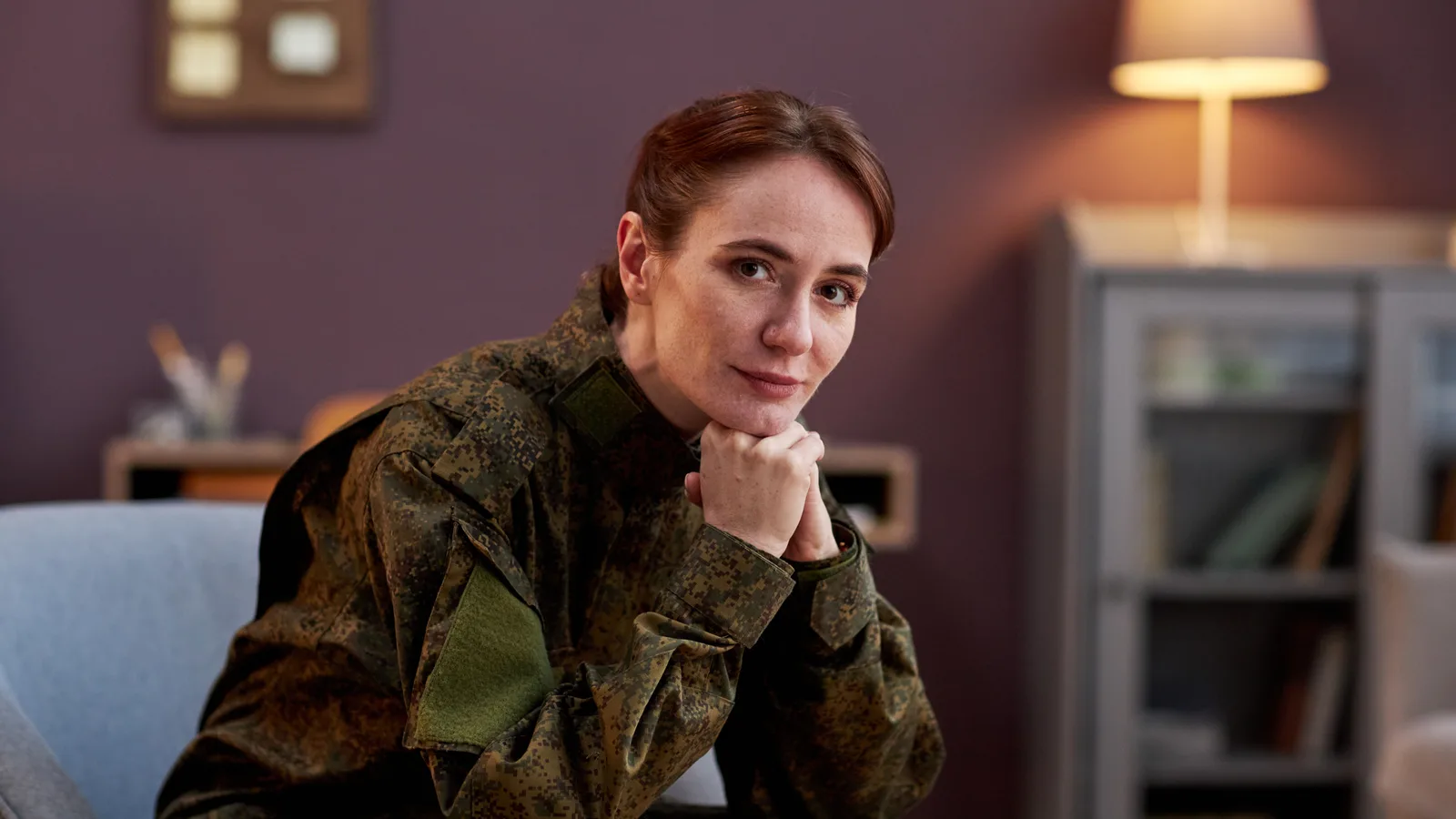
Women who served after September 11, 2001 reported more kinds of mental health and substance use problems than men in a new survey of 2,083 veterans, but they did not make more mental health visits to match. For physical health, by contrast, more conditions did go with more appointments.
The study was published in the journal Military Psychology and announced by Washington University in St. Louis on November 11, 2026. Its lead author is Jordan Davis of the university's Brown School. The data come from the BRAVO Cohort Study (Behavioral Research and Analysis of Veterans Outcomes), which Davis co-leads with Eric Pedersen of the Keck School of Medicine at the University of Southern California. BRAVO deliberately recruited larger numbers of women and of veterans from racial and ethnic minority groups, who are often too few in veteran studies to analyze on their own.
What the veterans reported
The burden was high across the whole group. Nearly half screened positive for depression, anxiety or post-traumatic stress disorder, and about 4 in 10 showed elevated suicide risk on screening.
Women reported 51 to 61 percent more types of mental health and substance use problems than non-Hispanic white men, the comparison group. Risk of PTSD was higher among Black, Hispanic and white women, and among non-Hispanic Black men.
Sexual violence ran through the results. Across all participants, 35.7 percent reported military sexual violence and half reported sexual harassment. Among women, about 6 in 10 reported sexual violence, and among women in the combined multiracial and other underrepresented groups the figure approached 8 in 10.
Where care did not keep pace
The central finding is about appointments. Once the researchers accounted for how many problems each person reported, they found no significant differences between groups in mental health and substance use visits. In other words, the groups carrying more problems were not getting proportionally more care for them. Women's larger number of physical health conditions, on the other hand, was generally matched by more physical health appointments.
What the study cannot say
The study measured the gap, not its cause. The authors say they cannot tell why visits did not rise with need. They raise possible explanations, including too few mental health providers, long waits and the difficulty of fitting appointments into work and family life, but the survey did not test any of them. The results also rest on what veterans reported about themselves, from one cohort, and the university's announcement did not list who funded the work.
Where help is
The VA runs services built specifically for women veterans. The Women Veterans Call Center, at 1-855-829-6636 (1-855-VA-WOMEN), answers questions about VA benefits and health care, including mental health care, and every VA medical center has a Women Veterans Program Manager. Care related to military sexual trauma is available through the VA whether or not the experience was reported at the time.
The Veterans Crisis Line is open around the clock: dial 988 and press 1, or text 838255. Family members and friends can call it too.
This article reports research and expert guidance. It is not medical advice. Talk to your clinician before changing medication, treatment or a medical diet.
Sources
- Military Psychology: Military service, healthcare needs, and healthcare engagement among post-9/11 veterans from the BRAVO Cohort Study (2026)
- Washington University in St. Louis: announcement of the BRAVO findings, November 11, 2026
- U.S. Department of Veterans Affairs: Women Veterans Health Care
- U.S. Department of Veterans Affairs: Veterans Crisis Line
Loading comments…