












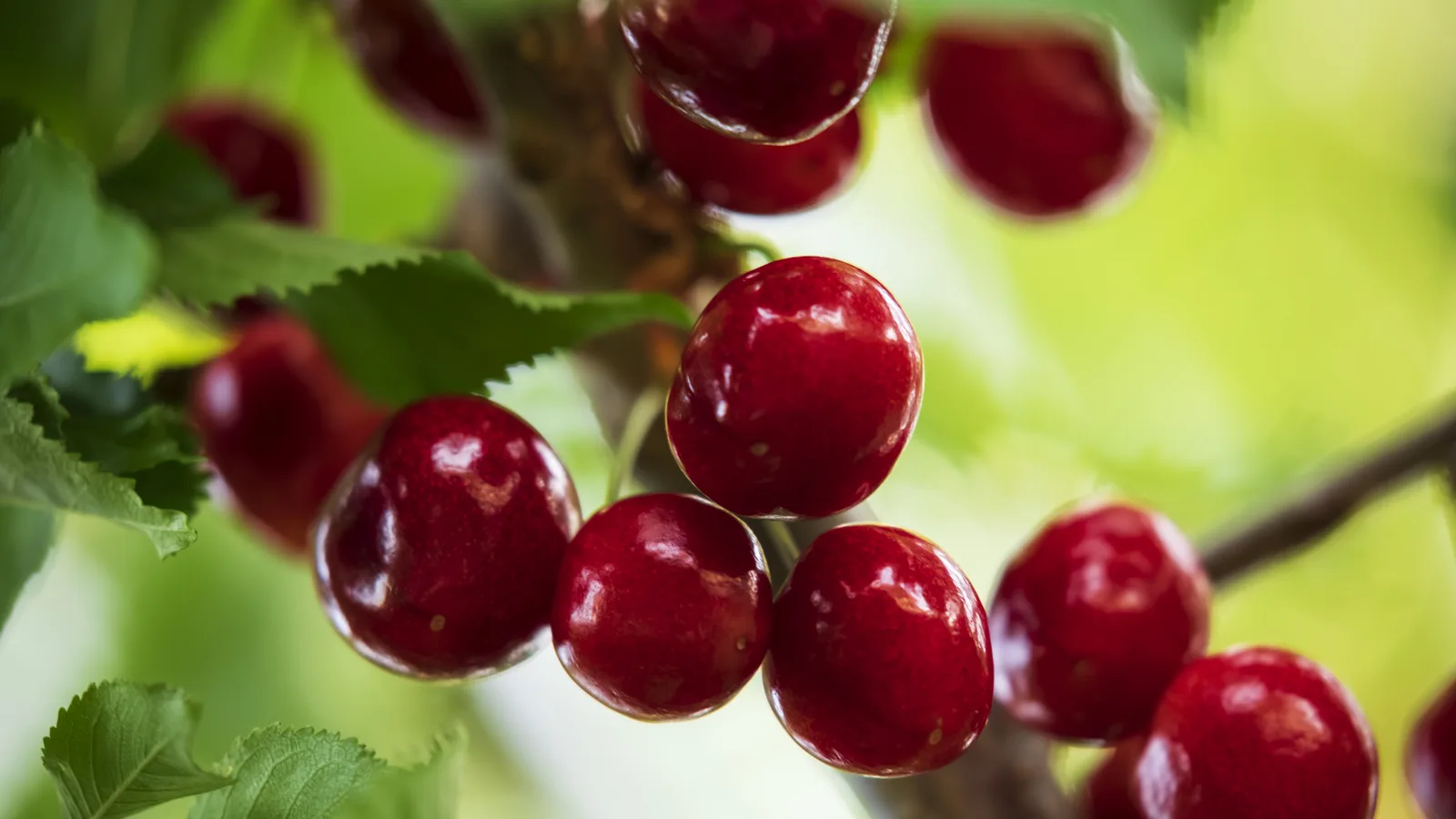
Tart cherry juice is one of the most common recovery drinks in sports nutrition, and a new analysis that ranked it against seven other plant extracts found it does one thing fairly consistently: it takes a little of the edge off muscle soreness in the days after a hard workout. What it did not do, in any of the analyses, was bring strength back faster or clearly lower the blood markers of muscle damage. The work, a systematic review and network meta-analysis of 30 randomized trials, was published in Frontiers in Nutrition in August by researchers at Hunan Normal University, Changsha University and Dankook University.
What the researchers compared
A network meta-analysis lets researchers compare several treatments at once, even ones never tested head to head, by linking each trial through a shared comparison, here a placebo or control drink. The team pulled together 30 trials with 595 healthy adults, mostly young men between 18 and 44, some trained and some not. Each trial put participants through exercise designed to cause muscle damage, from eccentric biceps curls and drop jumps to downhill running, half-marathons and rugby, soccer and water polo simulations, and gave them a supplement rich in anthocyanins or flavanols, the pigments and plant compounds behind the deep colors of these foods.
Tart cherry had by far the most evidence, with 13 trials. Tea extracts had five, pomegranate four, and blackcurrant, blueberry, cocoa flavanols, grape and mixed polyphenol products one or two each. Most tart cherry trials gave about 30 milliliters of concentrated juice twice a day for roughly a week to 10 days around the exercise; others used capsules, powder or ordinary juice.
The main question was what each supplement did 48 hours after exercise to four outcomes: delayed-onset muscle soreness, muscle strength, creatine kinase (a marker of muscle damage in the blood) and C-reactive protein (a marker of inflammation).
Soreness yes, everything else no
- Soreness at 48 hours: only pomegranate and tart cherry lowered it compared with placebo. Pomegranate ranked first, with a moderate effect, but it rested on four trials and its range of plausible effects ran from large to almost nothing. Tart cherry ranked second, with a smaller effect that was more precisely measured.
- Soreness at 24 and 72 hours: tart cherry was the only supplement that lowered soreness at both of these time points as well.
- Strength, creatine kinase and C-reactive protein: no supplement showed a clear advantage at 48 hours, and none showed consistent benefits at 24 or 72 hours either.
The authors' reading is that these supplements are best thought of as targeted options for how sore a person feels, rather than a way to speed up the body's physical recovery. The soreness benefit for tart cherry looked stronger in trained participants, though those subgroups were small.
How much weight to put on it
The authors rated the certainty of the evidence as generally low, mostly because the trials were small and their results imprecise. They also note that most supplements were linked to each other only through the placebo comparison, that trials measured soreness and strength in different ways, and that 48 hours may be too early to catch the peak of creatine kinase and inflammation. The review reported no outside funding and no conflicts of interest.
It fits with earlier work. A March 2026 narrative review in Physical Activity and Nutrition reached a similar conclusion: the benefits that show up most often are in soreness and how recovered people feel, while results for strength and power are mixed. That review also raised a question the trials have not settled, whether taking large doses of antioxidants every day for long stretches could blunt some of the adaptations training is meant to produce, and suggested saving tart cherry for short periods when recovery time is tight, such as back-to-back competitions or travel. It also cautioned that sponsorship and publication bias should be weighed when reading the evidence.
What it means for a training week
What these trials tested was a few days of concentrated juice around one punishing session. In that setting, tart cherry trimmed soreness modestly. None of the trials showed it rebuilding strength faster, so the timing of the next hard session is still set by how the muscles perform, not by how they feel.
This article reports research and expert guidance. It is not medical advice. Talk to your clinician before changing medication, treatment or a medical diet.
Sources
- Frontiers in Nutrition: Comparative effects of plant-derived anthocyanin- and flavanol-rich supplements on recovery outcomes after exercise-induced muscle damage, a systematic review and network meta-analysis (Xu et al., 2026)
- Physical Activity and Nutrition: Tart cherry supplementation for exercise recovery, an evidence-informed narrative review (Kim, 2026)
Loading comments…