












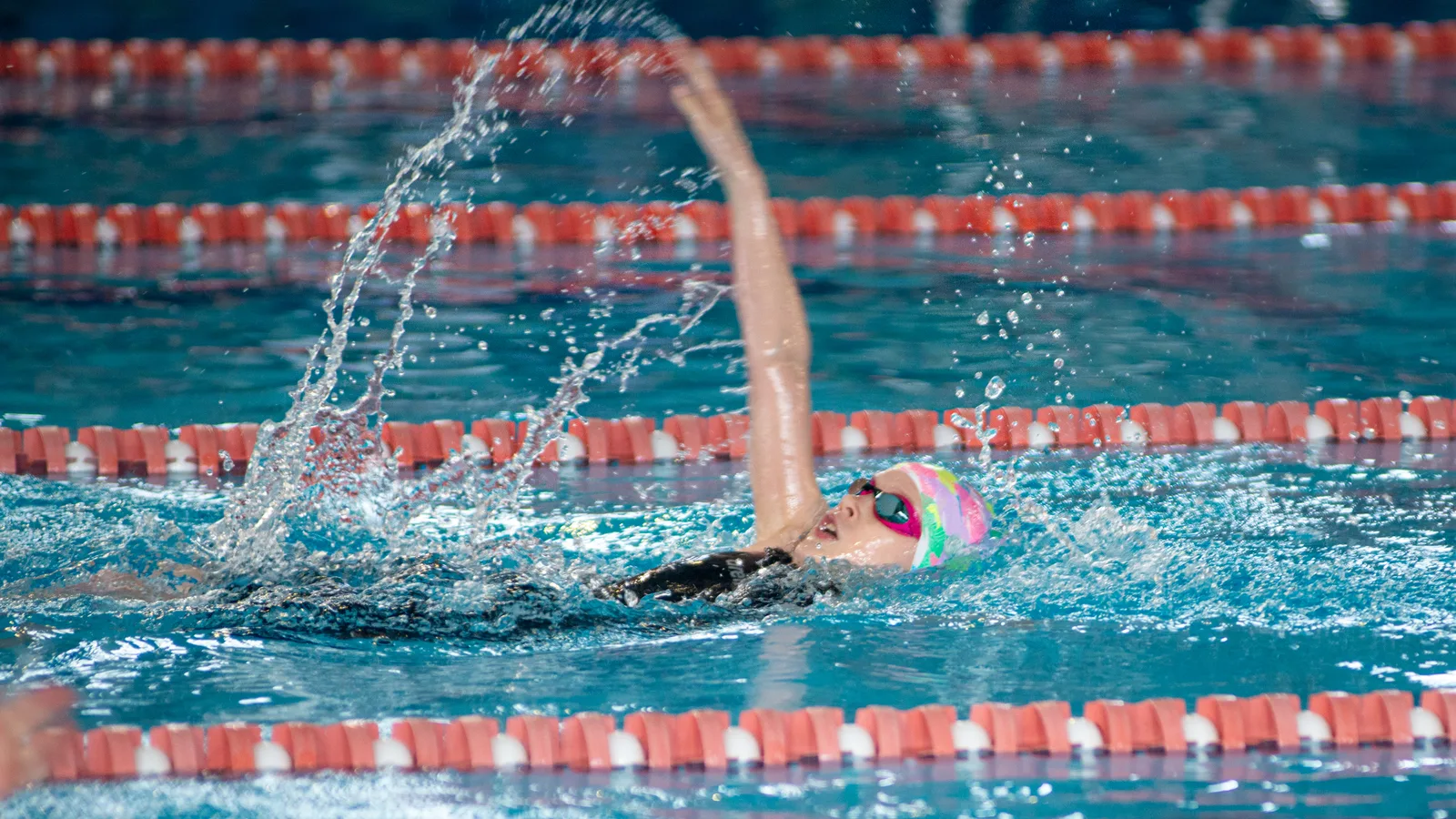
Swimming counts toward the federal activity target, but not all swimming counts the same. The Physical Activity Guidelines for Americans, published by the Department of Health and Human Services, list swimming laps as a vigorous-intensity activity and recreational swimming and water aerobics classes as moderate-intensity ones. Since a vigorous minute counts roughly twice, 30 minutes of steady laps is worth about an hour of easy paddling on the weekly tally.
The weekly numbers
Adults are advised to get 150 to 300 minutes of moderate-intensity aerobic activity a week, or 75 to 150 minutes of vigorous activity, or an equivalent combination, preferably spread through the week. As a rule of thumb, the guidelines say 2 minutes of moderate activity counts the same as 1 minute of vigorous activity. Adults should also do muscle-strengthening work involving all major muscle groups on 2 or more days a week, and more activity beyond 300 moderate minutes brings additional benefit.
In practice, three 25-minute lap sessions add up to 75 vigorous minutes, the low end of the vigorous range. Three 50-minute water aerobics classes come to 150 moderate minutes, the low end of the moderate range.
How to tell which one you are doing
The guidelines themselves note that swimming can be moderate or vigorous depending on effort, so the label follows the effort rather than the pool. The Centers for Disease Control and Prevention gives two quick checks:
- The talk test. At moderate intensity a person can talk but not sing. At vigorous intensity they cannot say more than a few words without pausing for a breath. In the water, judge it at the wall between lengths.
- The 0 to 10 scale. Moderate is an effort of about 5 or 6; vigorous starts at 7 or 8.
By the CDC's energy measure, activity at 3 to 5.9 METs (multiples of the energy used sitting quietly) is moderate and 6 or more is vigorous.
What swimming does not cover
Swimming is aerobic activity. It does not by itself meet the separate recommendation for muscle-strengthening on 2 or more days a week, which calls for working the major muscle groups against resistance. And for children and adolescents, the guidelines ask for bone-strengthening activity on at least 3 days a week; their examples are impact activities such as running, jumping jacks, hopscotch and tennis. Swimmers who want both usually add a short strength session on land.
Older adults and pregnancy
For older adults, the guidelines list swimming and water aerobics among the examples of aerobic activity and recommend that the week include balance training as well as aerobic and muscle-strengthening work. For pregnancy and the postpartum period, the guidelines set a target of at least 150 moderate minutes a week, and say women who were already active, including at vigorous intensity, can continue those activities.
The guidelines are a summary of the evidence, not a training plan, and the right amount for a person with a heart, lung or joint condition is a question for their clinician.
This article reports research and expert guidance. It is not medical advice. Talk to your clinician before changing medication, treatment or a medical diet.
Loading comments…