












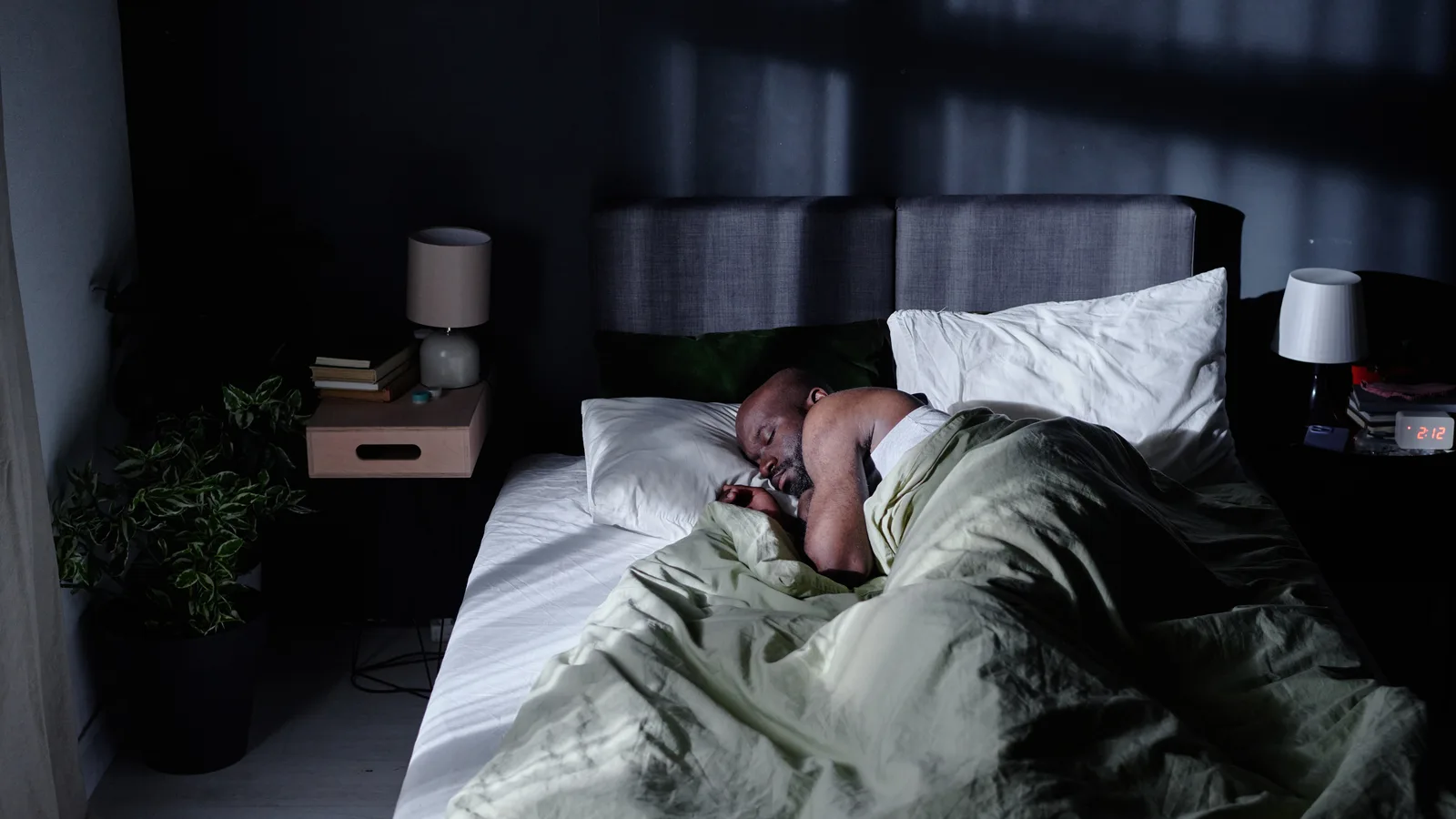
Samsung's Galaxy Ring can now check its wearer for signs of sleep apnea, a feature the company says makes it the first smart ring with an FDA-cleared, over-the-counter sleep apnea risk check. The upgraded feature became available to U.S. users on November 3 through the Samsung Health Monitor app, after the FDA cleared it in July. It also runs on the Galaxy Watch9, with support for the Galaxy Watch7 and Watch8 promised in later software updates.
What the feature does
Obstructive sleep apnea is a condition in which the airway repeatedly narrows or closes during sleep, interrupting breathing. Samsung's feature reads blood oxygen levels and movement during sleep and looks for signs of moderate to severe sleep apnea in the form of significant breathing disruptions. The first version, cleared by the FDA through its De Novo pathway in February 2024 for the Galaxy Watch, gave a yes-or-no style risk result. The upgraded version adds an estimate of how many breathing disruptions it detected per hour, a number Samsung says is meant to make a conversation with a clinician more productive.
The check is on demand rather than running every night. It needs two nights of valid data within a 10-day window, which Samsung describes as a low data requirement compared with tracking that has to run for weeks.
Who it is for, and who it is not for
Samsung's own fine print sets out the limits, and they matter:
- It is for adults 18 and older.
- It is not meant for anyone already diagnosed with sleep apnea. It looks for signs of the condition in people who do not know they have it, and it is not a way to track an existing diagnosis or a treatment such as CPAP.
- It is not a diagnosis. Samsung states that the feature should not replace diagnosis and treatment by a qualified clinician. A diagnosis still comes from a sleep study, either in a lab or with a home sleep apnea test ordered by a clinician.
- It needs a compatible Samsung Galaxy phone as well as the ring or watch.
Why a screening tool matters here
Sleep apnea often goes unrecognized because its main signs, breathing that pauses and restarts, loud and frequent snoring, and gasping for air, happen while the person is asleep. The National Heart, Lung, and Blood Institute lists daytime sleepiness, headaches, dry mouth, insomnia and waking often to urinate among the signs a person may notice while awake, and notes that daytime sleepiness can affect focus and reaction time. A wearable that flags a possible problem is a prompt to get tested, not a substitute for the test.
Samsung's press release does not include the accuracy figures from the validation work behind the July clearance, so it is not possible from the announcement alone to say how often the ring flags people who turn out not to have sleep apnea, or misses people who do. Those figures sit with the FDA's clearance records rather than in the company's announcement.
How to use the result
If the check flags signs of sleep apnea, the next step Samsung describes is the one sleep physicians describe too: take the result to a clinician, who can decide whether a sleep study is needed. Useful details to bring are the estimated breathing disruptions per hour the app reports, how loud your snoring is according to anyone who shares your room, and how sleepy you feel during the day.
This article reports research and expert guidance. It is not medical advice. Talk to your clinician before changing medication, treatment or a medical diet.
Loading comments…