












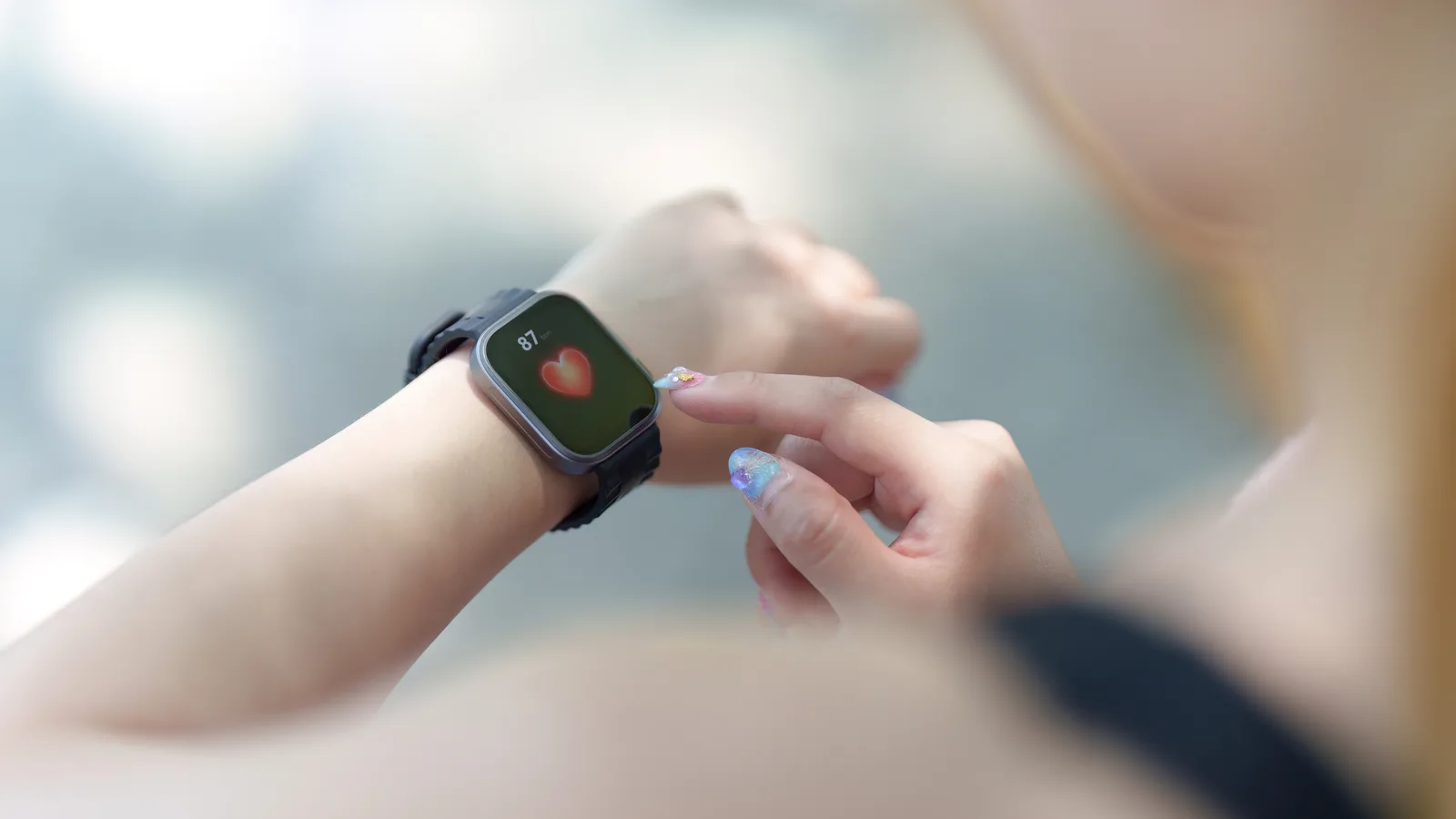
Anyone who has taken an ECG on a smartwatch knows the frustrating result: inconclusive. The watch records 30 seconds of heart rhythm and then declines to call it either normal or atrial fibrillation. PulseAI, a company in Belfast, Northern Ireland, now has U.S. Food and Drug Administration clearance for software that reanalyzes those recordings, and its main selling point is fewer of those non-answers.
What the FDA cleared
The FDA's letter, dated October 27, 2026, clears a product called PulseAPI SmartWatch under 510(k) number K254226. It is a Class II device in the programmable diagnostic computer category (regulation 21 CFR 870.1425, product code DQK), described as a software analysis library for ambulatory ECG recordings. A 510(k) clearance means the FDA found the device substantially equivalent to products already on the market; it is not the same as a full approval, and the letter covers this specific software, not every watch or algorithm. PulseAI announced the clearance on November 5.
The clearance does not put a new feature on anyone's watch today. The software is sold to device makers, clinics and digital health platforms, and PulseAI has not named which products will use it.
The study behind it
The evidence the company points to is a prospective study published in Heart Rhythm (online November 2025, in the journal's November 2026 issue). At a teaching hospital in Ireland, 296 participants recorded Apple Watch ECGs, which were read by the watch's own algorithm and by PulseAI's neural network.
- Counting inconclusive readings as failures, the Apple Watch's algorithm detected atrial fibrillation with 78.1% sensitivity and 81.0% specificity. PulseAI's software scored 98.4% and 96.1%.
- When inconclusive readings were simply dropped, the usual way such studies are reported, the Apple Watch looked much better: 96.1% sensitivity and 97.9% specificity.
- Allowing up to three attempts, the Apple Watch reached 92.2% and 91.0%, and PulseAI 98.4% and 96.6%.
- PulseAI produced 92% fewer inconclusive outputs than the watch's own algorithm.
What it does not show
The study was run by people with a stake in the result. Two authors are directors and shareholders of PulseAI, two are employees and two are advisers. The paper reports two safeguards: physicians blinded to PulseAI's output verified the Apple Watch readings, and the protocol was preregistered at ClinicalTrials.gov. The participants were hospital patients, a group with more atrial fibrillation than the general public, so accuracy in everyday users may differ. And the study covered one rhythm problem on one watch.
Why the inconclusive rate matters
The paper's broader point applies to every wearable ECG: studies that quietly exclude inconclusive results make a device look more accurate than it is in daily use. For a watch owner, an inconclusive reading is not a clean bill of health. A symptom such as a racing or fluttering heartbeat, shortness of breath or unexplained fatigue deserves a clinician's ECG whatever the watch says.
This article reports research and expert guidance. It is not medical advice. Talk to your clinician before changing medication, treatment or a medical diet.
Loading comments…