












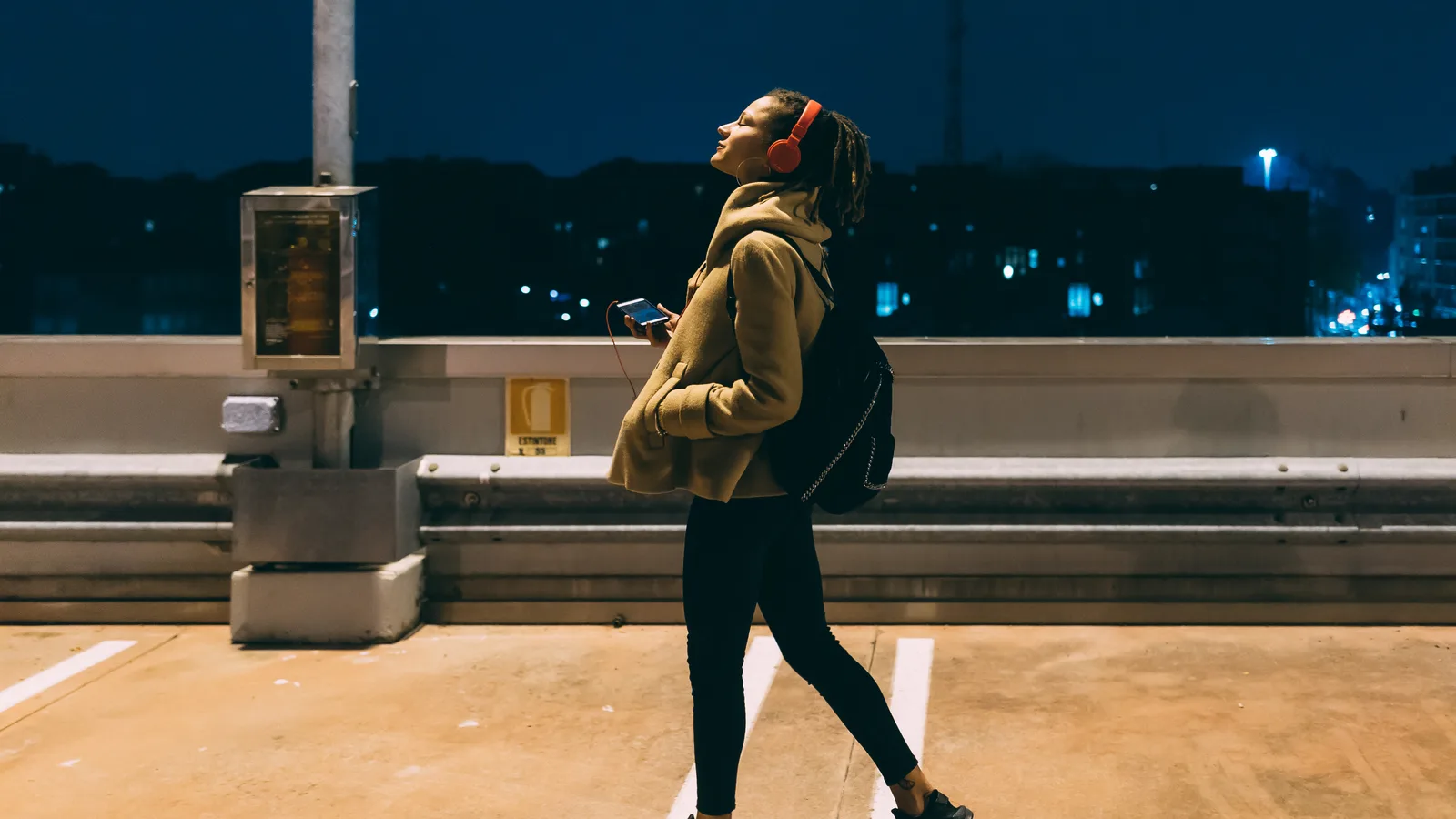
The clocks went back on November 1, and for millions of people the after-work walk now happens in the dark. That matters for more than the view. In the most recent full federal fact sheet on pedestrian deaths, the large majority happened at night.
What the federal numbers show
The National Highway Traffic Safety Administration counts every fatal crash in the country through its Fatality Analysis Reporting System. Its fact sheet on 2022 data, published in July 2024, defines a pedestrian as anyone on foot, including people walking, running, jogging and hiking. In 2022:
- 7,522 pedestrians were killed in traffic crashes, the highest number since 1981. That works out to one death about every 70 minutes.
- 78 percent of those deaths happened in the dark, against 19 percent in daylight and about 2 percent each at dusk and dawn.
- 75 percent happened away from intersections, 16 percent at intersections.
- 85 percent were in urban areas.
- Alcohol was involved in 48 percent of fatal pedestrian crashes, for the driver, the pedestrian or both.
- An estimated 67,336 pedestrians were injured, up 11 percent from 2021.
These figures describe where and when deaths happened, not the risk per mile walked, because the data does not count how much walking people do in the dark compared with daylight. Still, the pattern is consistent: darkness, a mid-block crossing and a driver who does not see a person in time.
What NHTSA advises walkers to do
The fact sheet closes with safety reminders for pedestrians, and they map directly onto those numbers:
- Be visible. Wear bright clothing during the day, and reflective material or a flashlight at night.
- Be predictable. Cross at crosswalks or intersections where drivers expect people to be.
- If there is no crosswalk, pick a well-lit spot, wait for a gap long enough to cross safely, and keep watching traffic as you go.
- Walk on a sidewalk or path when one is available. Where there is none, walk on the shoulder, facing traffic.
- Never assume a driver sees you. Make eye contact with drivers as they approach.
- Stay alert. Phones, audio players and other devices take eyes and ears off the road.
- Avoid alcohol and drugs when walking, since they impair judgment and coordination.
Planning the walk itself
The federal Physical Activity Guidelines count brisk walking toward the 150 weekly minutes of moderate activity recommended for adults, so there is good reason not to drop it for the winter. A few changes keep the habit while cutting time near traffic in the dark: shift some walks to a lunch break, choose a lit park loop, school track or neighborhood with sidewalks over a road shoulder, and walk with someone on darker evenings. For drivers, the same fact sheet asks them to slow down, watch for people when turning and never pass a car stopped at a crosswalk.
Loading comments…