












The stomach bug that tears through a household, a cruise ship or a holiday gathering is usually norovirus, and its season is starting. In the United States outbreaks happen all year but are most common from November to April, according to the Centers for Disease Control and Prevention.
How big it is
The CDC estimates norovirus causes 19 to 21 million illnesses in the United States each year, along with about 2.27 million outpatient visits and 465,000 emergency room visits, mostly in young children, 109,000 hospitalizations and about 900 deaths, mostly in adults 65 and older. It is the leading cause of vomiting, diarrhea and foodborne illness in the country. It is not related to the flu.
How it spreads and how it feels
The virus spreads through direct contact with someone who is sick, such as caring for them or sharing food or utensils, through contaminated food and drink, and from contaminated surfaces to unwashed fingers and then the mouth. Symptoms usually start 12 to 48 hours after exposure: diarrhea, vomiting, nausea and stomach pain, sometimes with fever, headache and body aches. Most people recover in one to three days, but they can keep shedding the virus for days after they feel better. There are many types, so having it once does not protect you from the next.
Soap, not sanitizer
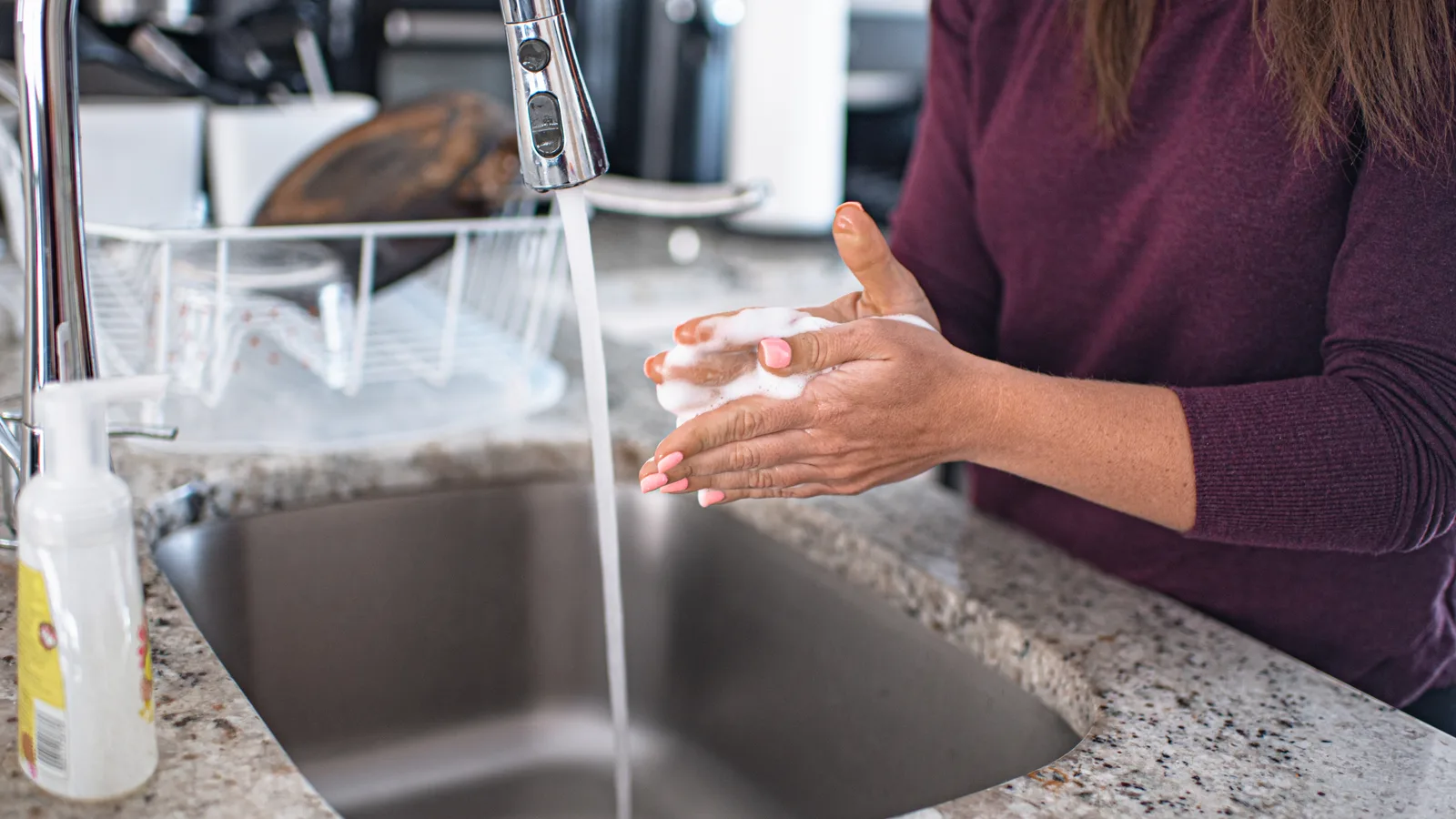
The CDC says hand sanitizer does not work well against norovirus. It can be used in addition to handwashing but not instead of it. The agency's advice is soap and water for at least 20 seconds, especially after using the toilet or changing diapers and before eating, preparing food or giving anyone medicine.
Cleaning up after someone is sick
Ordinary cleaners are not enough for vomit or diarrhea. The CDC's steps:
- Wear rubber or disposable gloves, wipe up the mess with paper towels and seal them in a plastic bag.
- Disinfect with a chlorine bleach solution of 1,000 to 5,000 parts per million, which works out to 5 to 25 tablespoons of household bleach per gallon of water, or with a disinfectant registered by the Environmental Protection Agency for norovirus (its List G).
- Leave the bleach solution on the surface for at least five minutes, then clean the area again with soap and hot water.
- Remove soiled clothes and linens right away without shaking them, wash on the hottest, longest cycle and machine dry on high heat.
Food and the 48-hour rule
Anyone who is sick should not prepare food or care for others, and the CDC says to wait at least 48 hours after symptoms stop before going back to it. That matters most for people who cook for a holiday table or work in restaurants, schools, daycares or long-term care. Oysters and other shellfish should be cooked to an internal temperature of at least 145 degrees Fahrenheit; the CDC notes that steaming alone does not heat them enough. Contaminated food can look, smell and taste normal.
Watch for dehydration
There is no specific medicine for norovirus, and antibiotics do not work on viruses. The CDC's guidance is to keep drinking fluids. Over-the-counter oral rehydration solutions work best for mild dehydration; sports drinks without caffeine or alcohol can help but may not replace the minerals lost. Signs of dehydration include urinating less, a dry mouth and throat, dizziness on standing and, in children, crying with few or no tears and unusual sleepiness or fussiness. Young children, older adults and people with weakened immune systems are most likely to get severely ill, and severe dehydration can need IV fluids in a hospital.
This article reports research and expert guidance. It is not medical advice. Talk to your clinician before changing medication, treatment or a medical diet.
Loading comments…