












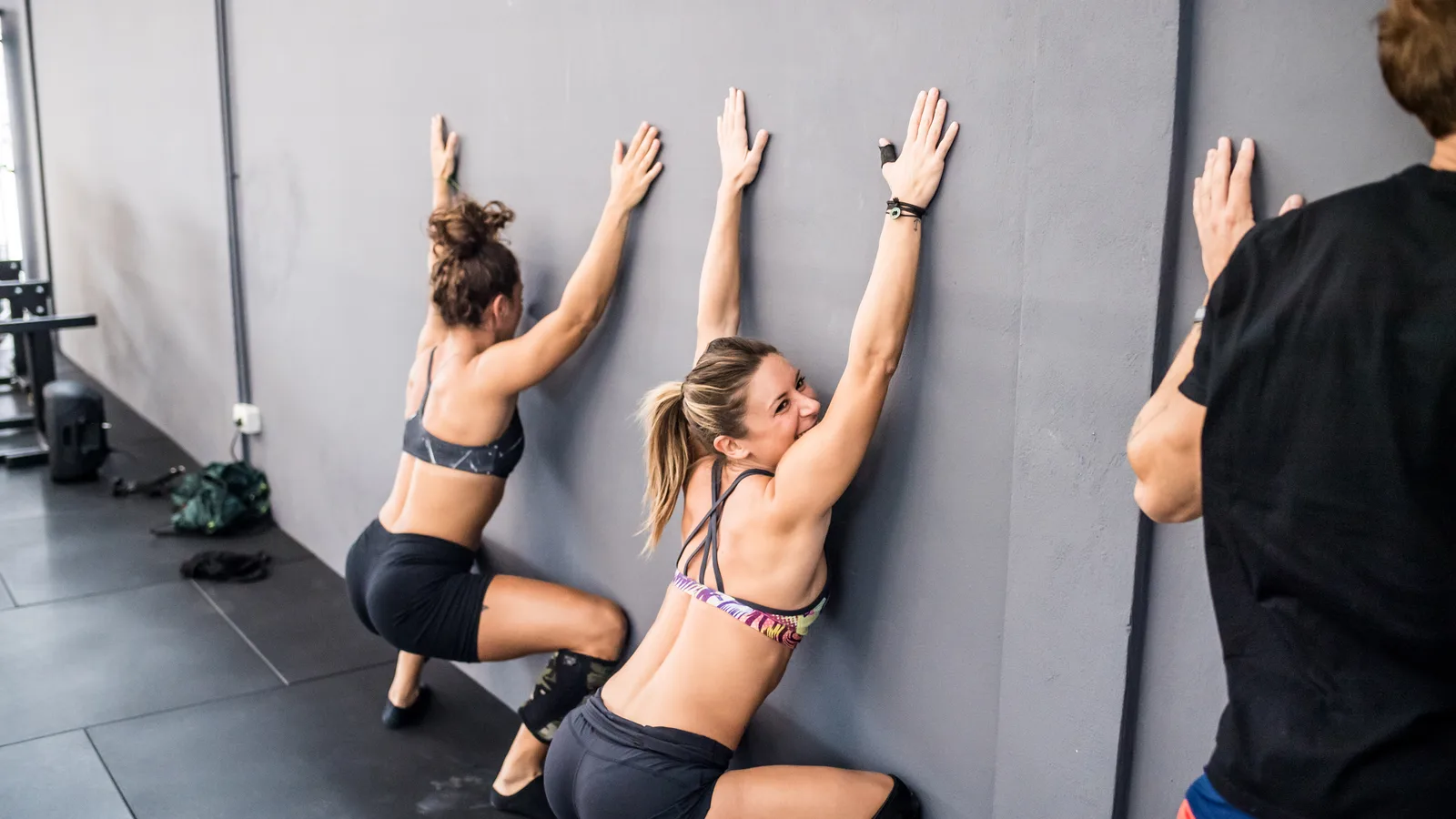
Holding a muscle still under load, as in a wall sit or a plank, is called isometric exercise, and in the largest analysis of exercise and resting blood pressure it ranked first. A network meta-analysis in the British Journal of Sports Medicine, published in 2023, pooled 270 randomized trials with 15,827 participants and found isometric training lowered resting blood pressure by about 8.2 points systolic and 4.0 points diastolic. Here is what that comparison means and what it does not.
How each type of training did
The authors, from Canterbury Christ Church University and other UK institutions, included trials from 1990 to February 2023 that ran at least two weeks and had a non-exercising control group. Compared with control, average drops in resting blood pressure (systolic over diastolic, in mm Hg) were:
- Aerobic training: 4.49 over 2.53
- Dynamic resistance training, such as lifting weights through a range of motion: 4.55 over 3.04
- Combined aerobic and resistance training: 6.04 over 2.54
- High-intensity interval training: 4.08 over 2.50
- Isometric training: 8.24 over 4.00
Every type lowered blood pressure. In the network analysis, which estimates how modes compare even when no trial tested them head to head, isometric training ranked most likely to be the most effective for systolic pressure, followed by combined training. Among specific exercises, the isometric wall squat ranked highest for systolic pressure and running ranked highest for diastolic.
What it does not show
Rankings in a network meta-analysis are estimates, and many of the comparisons were indirect. Isometric trials were fewer and generally smaller than aerobic ones. The analysis measured resting blood pressure, not heart attacks or strokes, and most trials lasted weeks to months. The authors suggested the findings should inform future guidelines; current federal guidelines still center on aerobic activity plus two days of muscle strengthening a week.
Before you try it
Wall sits need no equipment: back flat against a wall, feet out in front, knees bent to a depth you can hold. If you have high blood pressure, heart disease or take blood pressure medication, ask your clinician how hard and how long your holds should be, and whether isometrics fit alongside your current treatment.
This article reports research and expert guidance. It is not medical advice. Talk to your clinician before changing medication, treatment or a medical diet.
Loading comments…