












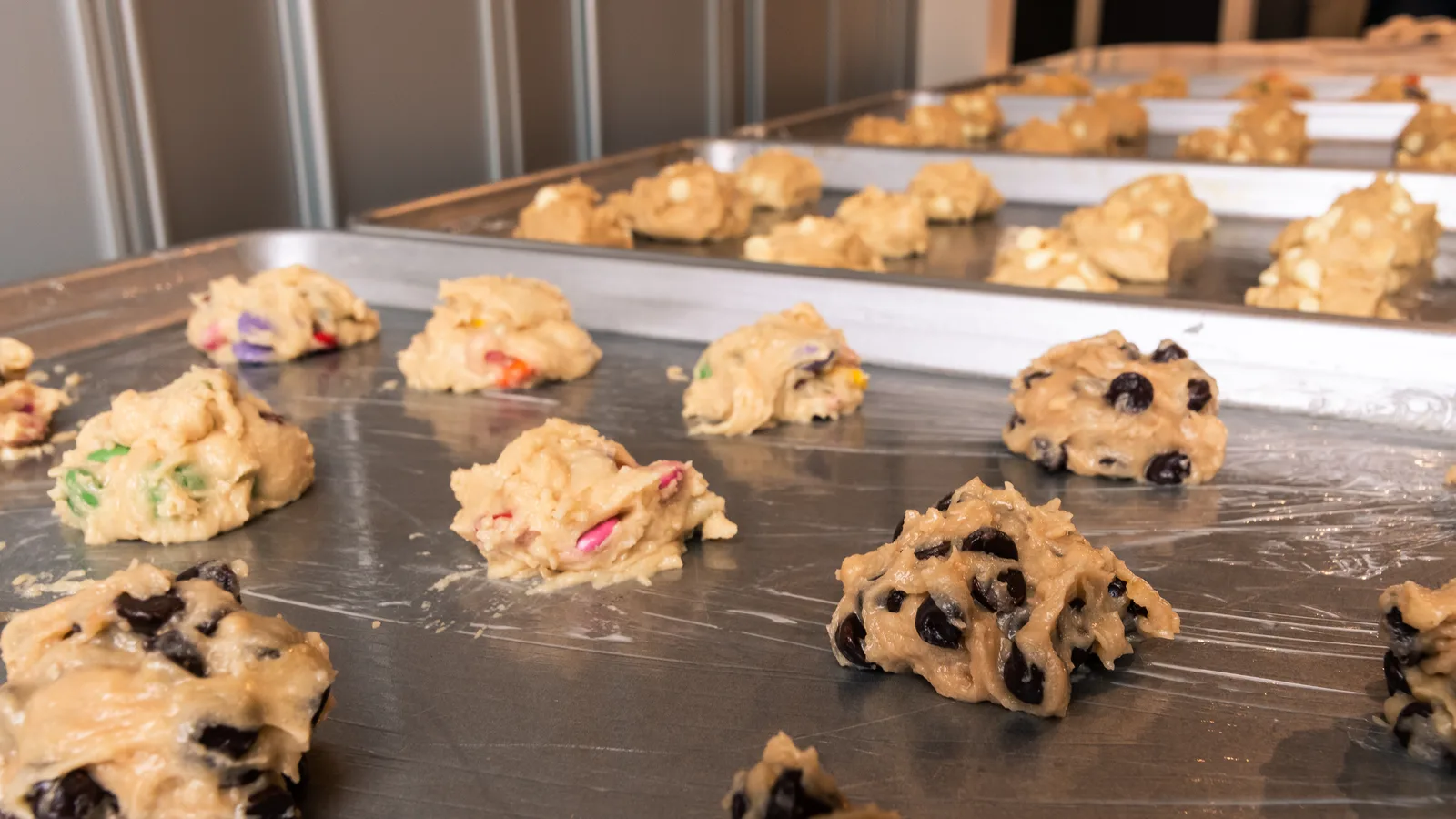
Holiday baking season is also the season of licking the spoon. The usual warning is about raw eggs, but federal food safety agencies point to a second ingredient that most people never think of as raw: the flour.
Why flour counts as a raw food
Flour looks like a finished, processed product. The Food and Drug Administration explains that it is not: it is ground from grain grown in fields, and the grain can pick up harmful bacteria such as Salmonella and disease-causing strains of E. coli before it ever reaches the mill. The Centers for Disease Control and Prevention adds that germs can also get into flour during processing, and that grinding the grain and bleaching the flour do not kill them. Most flour sold in stores has had no step designed to kill germs. As both agencies put it, the bacteria are killed only when the flour is baked or cooked.
This has made people sick
The CDC has investigated outbreaks linked to raw flour or cake mix in 2016, 2019, 2021 and 2023, and some led to recalls. The FDA counts 168 known illnesses and 20 hospitalizations from outbreaks tied to raw flour or products containing it, such as cake mixes and cookie dough, since 2009. Because flour and baking mixes keep for months, the CDC notes a recalled bag can still be sitting in a pantry; the FDA's recall list is the place to check.
Eggs are the second risk
Raw and lightly cooked eggs can carry Salmonella, and many doughs and batters combine both raw ingredients. An eggless dough removes one risk, not both.
What the agencies recommend
- Do not taste raw dough or batter of any kind: cookies, brownies, cakes, pie crusts, tortillas, pizza, biscuits or pancakes.
- Bake or cook it fully, at the temperature and time in the recipe or on the package.
- Skip raw dough crafts. Homemade play dough and salt-dough holiday ornaments made with raw flour are on the CDC's list, and children should not play with or eat them.
- Do not add raw dough or cake mix to no-bake treats such as milkshakes or homemade cookie dough ice cream. Store-bought cookie dough ice cream uses dough treated to kill germs.
- Do not try to heat-treat flour at home. The FDA says home methods may not kill all the bacteria.
- Keep flour away from ready-to-eat food. It is a powder and spreads easily. Wash hands with soap and water after handling flour, raw eggs or anything they touched, and wash bowls, utensils and counters with hot, soapy water.
- Refrigerate store-bought dough as the label says until it is baked, with the refrigerator at 40 degrees Fahrenheit or below.
The safe way to get the taste
Some stores sell edible cookie dough and brownie batter made with heat-treated flour and pasteurized eggs or no eggs at all. The CDC's advice is to read the label and confirm the product is meant to be eaten without baking, since ordinary refrigerated cookie dough sits on the same shelf and is not.
Loading comments…