
Every GLP-1 medicine sold in the United States, including Ozempic, Wegovy, Mounjaro, Zepbound and the new pill Foundayo, will carry a warning about a rare optic nerve condition called non-arteritic anterior ischemic optic neuropathy, or NAION. The Food and Drug Administration announced the requirement in a Drug Safety Communication dated November 9, 2026, and it applies to the whole class rather than to a single brand.
What NAION is
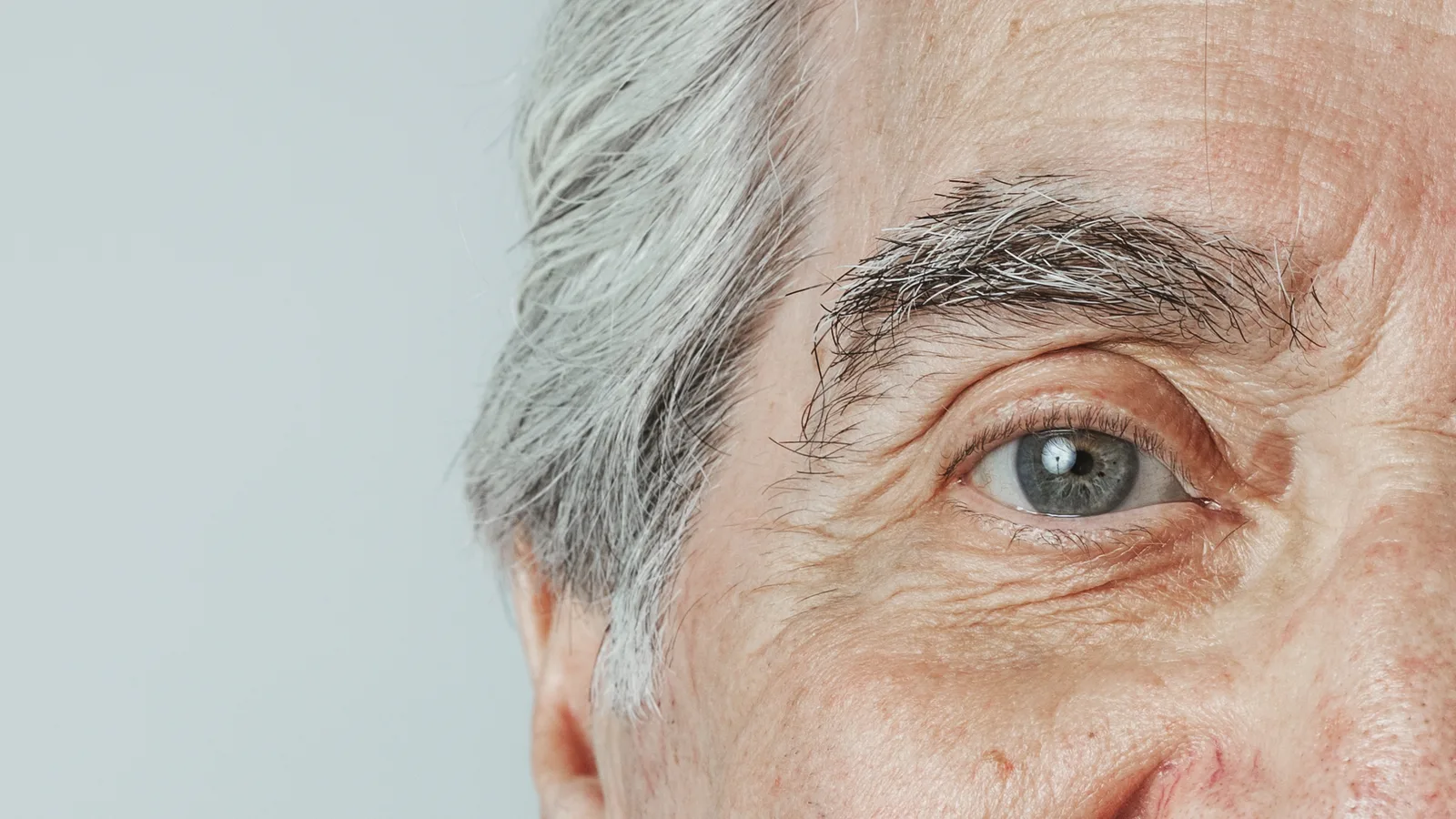
NAION happens when blood flow to the front of the optic nerve, the optic disc, drops. The FDA describes the result as sudden, painless loss of vision in one eye, and the loss can be permanent. Its listed symptoms are vision loss that a person may first notice on waking, blind spots or tunnel vision, colors that look washed out or distorted, and blurry or hazy patches in central vision. The agency notes that the underlying cause is not fully understood and that known risk factors include smoking, diabetes, high blood pressure, sleep apnea, anemia and kidney disease. Someone who has had NAION in one eye has a higher risk of it in the other.
What the FDA actually found
The review began after a July 2024 study by Hathaway and colleagues in JAMA Ophthalmology reported a higher rate of NAION among patients prescribed semaglutide. The FDA said that study had several limitations, so it ran its own checks across trial data, animal data and real-world records.
The centerpiece is a pooled analysis of 126 randomized trials across the GLP-1 class: 134,253 patients in all, 78,217 of them on a GLP-1 drug and 56,036 on placebo or a different glucose-lowering medicine. Across about 289,000 person-years of follow-up, reviewers found 15 probable NAION events, 10 in the GLP-1 groups and 5 on placebo. That works out to 6.4 cases per 100,000 person-years on the drugs and 3.8 on comparators. For context, the agency cites published estimates of 2.3 to 10.2 cases per 100,000 people a year among adults over 50 in the general population.
A second look used the FDA's Sentinel database of insurance records for adults with type 2 diabetes who started a diabetes drug between 2019 and 2024. Rates there ran higher overall, at 30 to 32 cases per 100,000 person-years on GLP-1 drugs, 31 on SGLT-2 inhibitors and 26 on DPP-4 inhibitors. Compared with SGLT-2 inhibitors the GLP-1 rate was not significantly higher; compared with DPP-4 inhibitors it was. The agency's review of animal studies did not find a mechanism that would explain a link.
What it does not show
Fifteen events across more than 130,000 trial patients is a small number, and the FDA labels the risk as potential rather than proven. People who take these drugs often have the same conditions that raise NAION risk on their own, such as diabetes, high blood pressure and sleep apnea, which is why the agency said its adverse event reports were hard to interpret. The new language goes in the Warnings and Precautions section of each label, not in a boxed warning.
Which drugs are covered
The FDA's table lists generic exenatide (the brand Byetta was withdrawn in 2025 for reasons unrelated to safety), Victoza and Saxenda (liraglutide), Xultophy (liraglutide with insulin degludec), Trulicity (dulaglutide), Soliqua (lixisenatide with insulin glargine), Ozempic, Rybelsus and Wegovy (semaglutide), Mounjaro and Zepbound (tirzepatide) and Foundayo (orforglipron).
What the agency tells patients and prescribers
The FDA tells patients to contact a health care professional right away about any of the symptoms above, and anyone who has had NAION to discuss with that professional whether to continue the medication. It tells prescribers to refer a suspected case promptly to an ophthalmologist and to consider stopping the drug after NAION unless the benefit clearly outweighs the risk. Side effects can be reported to the agency's MedWatch program online or at 1-800-332-1088.
For a reader on one of these drugs, the practical step is short: know the symptoms, treat sudden vision change in one eye as something to call about the same day, and bring any eye history up at the next prescription visit.
This article reports research and expert guidance. It is not medical advice. Talk to your clinician before changing medication, treatment or a medical diet.
Sources
- FDA Drug Safety Communication, November 9, 2026: FDA Requires Safety Labeling Changes for GLP-1 RAs Due to Potential Increased Risk of Rare But Serious Eye Condition
- JAMA Ophthalmology (2024): Hathaway et al., Risk of Nonarteritic Anterior Ischemic Optic Neuropathy in Patients Prescribed Semaglutide
- FDA MedWatch: Safety Information and Adverse Event Reporting Program
Loading comments…