












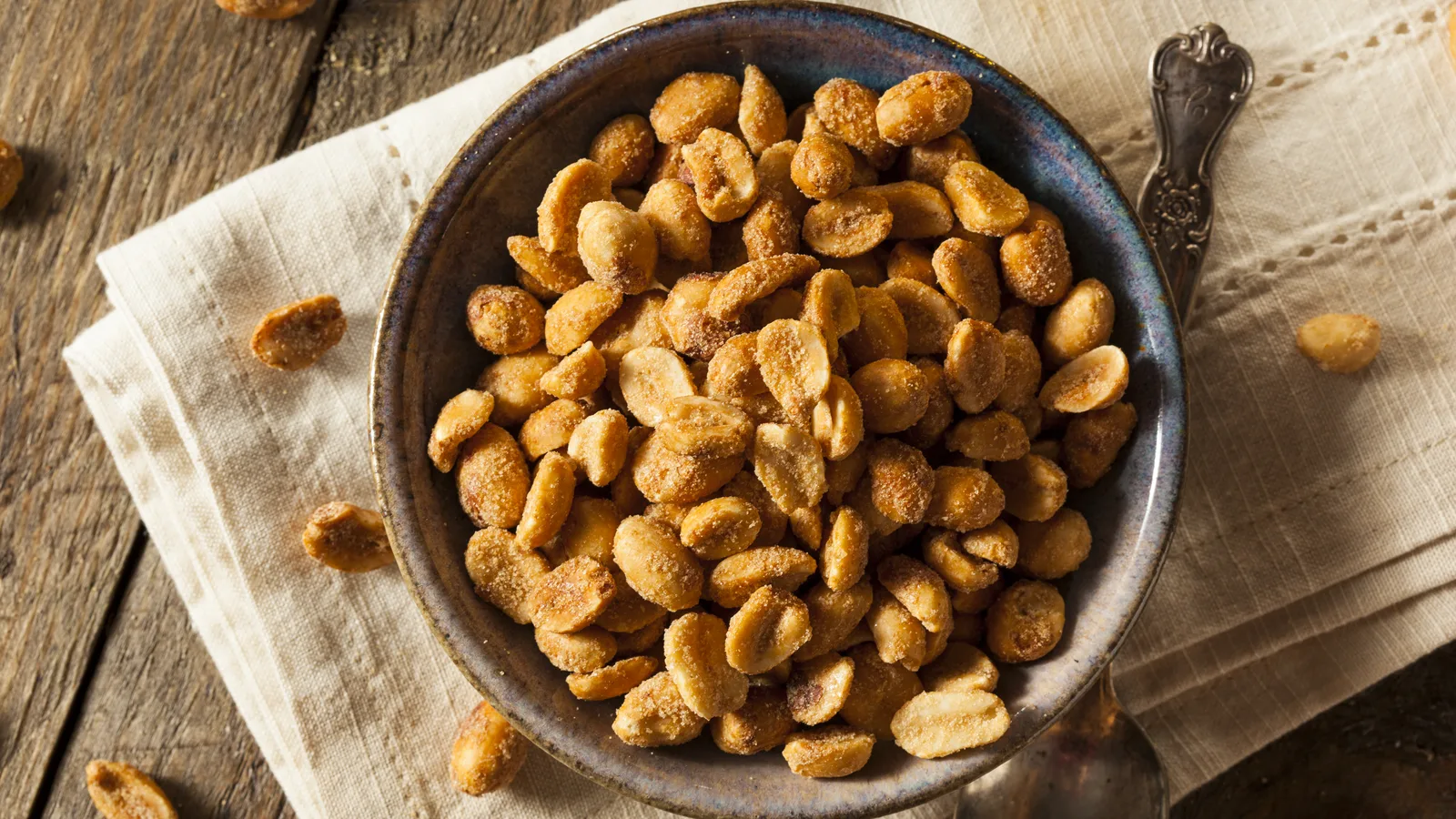
A small trial at Maastricht University in the Netherlands gave 31 healthy adults in their 60s and early 70s about two servings of unsalted, skin-roasted peanuts every day for 16 weeks. A new paper from the trial, published this fall in the journal Food & Function, reports that parts of their brains responded more strongly to insulin after the peanut period. Earlier results from the same volunteers, published in Clinical Nutrition, found modestly higher blood flow to the brain, slightly better scores on one memory test and lower blood pressure.
How the trial worked
It was a randomized, single-blind crossover trial. Each volunteer spent 16 weeks eating 60 grams of peanuts a day and 16 weeks eating none, in random order, with an eight-week break between. The average participant was 67 years old with a body mass index of 26.7, which falls in the overweight range. Comparing each person with themselves cuts out a lot of the noise that comes from comparing different people, which is why a group of 31 can detect small changes. Adherence was high: the median volunteer ate every portion.
Sixty grams is a generous handful twice over. By the U.S. Department of Agriculture's FoodData Central figures for dry-roasted peanuts, it comes to roughly 350 calories and about 14 grams of protein.
What changed
- Blood flow to the brain, measured by MRI, rose 3.6 percent overall and 4.5 percent in gray matter after the peanut period compared with the no-peanut period.
- Memory: on a delayed word-recall test, volunteers remembered about 1.4 more words, a 5.8 percent gain. Tests of planning and processing speed did not change.
- Blood pressure: systolic pressure fell by about 5 points.
- Brain insulin response, the subject of the new paper: blood flow in certain brain regions responded more to insulin after the peanut period. Insulin, best known for managing blood sugar, also acts in brain areas involved in memory and appetite, and a weaker response there has been tied to aging. Blood sugar, blood insulin and liver fat did not change.
What it does not show
- That peanuts prevent dementia. The volunteers were healthy, and the outcomes were brain blood flow, a response to insulin and test scores, not memory loss or disease over years.
- That peanuts in particular did it. The authors note there was no matched comparison food. Volunteers largely added the peanuts on top of their usual diet, so the changes could reflect the peanuts, the extra calories and shifts in the rest of the diet, or all three.
- How it holds up in larger groups. Thirty-one people for 16 weeks is a starting point. A Maastricht trial of mixed nuts in 28 older adults with overweight or obesity reported a similar brain insulin result, which points the same way but is also small.
Where it fits
The Dietary Guidelines for Americans already count nuts, seeds and peanuts in the protein foods group, where half an ounce counts as a one-ounce equivalent. These trials do not change that advice. They add a small, careful look at what a daily serving did in older brains over four months. Unsalted is the version tested, and people with a peanut allergy obviously sit this one out.
This article reports research and expert guidance. It is not medical advice. Talk to your clinician before changing medication, treatment or a medical diet.
Sources
- Food & Function (2026): Daily consumption of unsalted, skin-roasted peanuts beneficially affects regional brain insulin responsiveness in older adults: results of a longer-term randomized controlled trial
- Clinical Nutrition (2025), via Maastricht University: Kerkhof et al., Longer-term skin-roasted peanut consumption improves brain vascular function and memory
- Maastricht University: Mixed nut consumption improves brain insulin sensitivity, a randomized controlled trial
- U.S. Department of Agriculture: FoodData Central (peanuts, dry-roasted)
- U.S. Departments of Agriculture and Health and Human Services: Dietary Guidelines for Americans
Loading comments…