












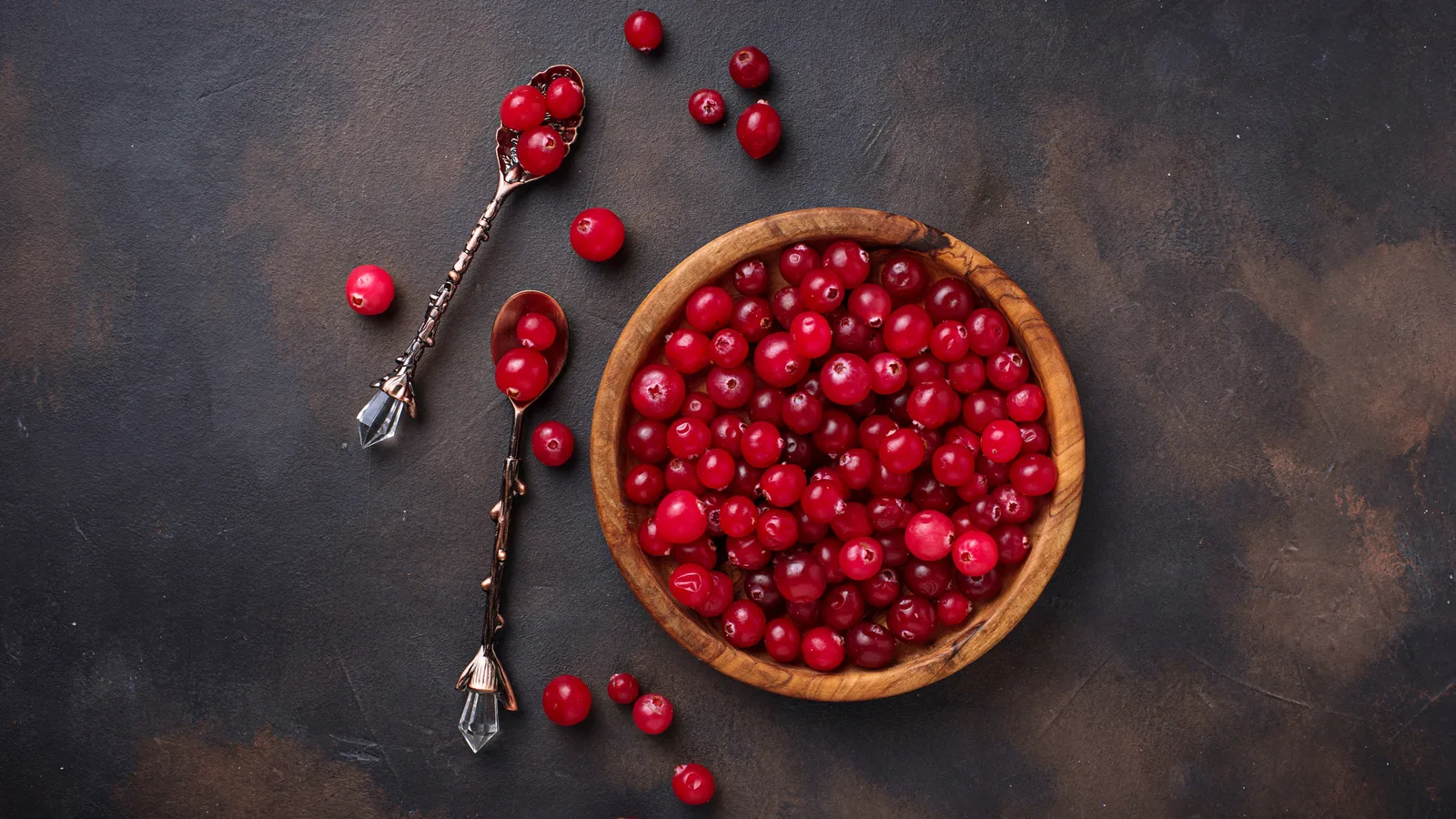
Cranberries are on the table this week, and cranberry juice and capsules are sold year round with one promise attached: fewer urinary tract infections. The most complete answer to whether that holds up comes from Cochrane, the independent network that pools randomized trials. Its 2023 update covered 50 trials with 8,857 participants, and the answer is yes for some groups of people and probably not for others.
What the review included
The review, published in the Cochrane Database of Systematic Reviews in April 2023, is the fifth update of an analysis first published in 1998. It added 26 new trials to the earlier set. Every study was a randomized or quasi-randomized trial comparing a cranberry product (juice, capsules or tablets) with a placebo, no treatment, antibiotics or probiotics. The outcome the authors weighted most was a UTI that caused symptoms and was confirmed by a urine culture, not just a positive test.
The working idea behind cranberry is chemical: the fruit contains proanthocyanidins, compounds that make it harder for the E. coli strains behind most bladder infections to stick to the bladder wall. The review tested whether that translates into fewer infections in people.
Overall: about 30 percent fewer infections
Pooling 26 trials with 6,211 people, cranberry products lowered the risk of a symptomatic, culture-confirmed UTI by about 30 percent compared with placebo or no treatment (risk ratio 0.70). The authors rated that evidence as moderate certainty, meaning the true effect is probably close to that figure but could differ.
Where it helped, and where it did not
The overall number hides real differences between groups:
- Women with recurrent UTIs: 8 trials, 1,555 women, risk about 26 percent lower (risk ratio 0.74).
- Children: 5 trials, 504 children, risk about 54 percent lower (risk ratio 0.46).
- People made susceptible by a medical procedure, such as bladder surgery or radiation: 6 trials, 1,434 people, risk about 53 percent lower (risk ratio 0.47).
In three other groups, the review found little or no benefit, with low certainty: older adults living in care facilities (3 trials, 1,489 people), pregnant women (3 trials, 765 women), and adults whose bladders do not empty fully because of nerve or muscle problems (3 trials, 464 people).
Cranberry against antibiotics and probiotics
In two trials with 385 people, cranberry products and preventive antibiotics may have made little or no difference to each other in infection risk. In three small trials with 215 people, cranberry did better than probiotics. Both comparisons rest on few studies, and the authors rated them low certainty.
Juice or capsules, and how much
This is the question shoppers ask, and the review cannot settle it. The evidence comparing juice with tablets, and comparing different doses of proanthocyanidins, was rated very low certainty, and the review found no difference in risk between low, moderate and high doses. It also found no clear link between how faithfully people took the product and how many infections they had.
Side effects were mostly digestive. Across 10 trials and 2,166 people, stomach and gut complaints were probably no more common with cranberry than with placebo.
What it does not show
Cranberry was tested for prevention, not treatment. None of these trials show that cranberry clears an infection that has already started, and a UTI with fever, back or side pain, or blood in the urine needs medical care. The trials also varied widely in product, dose and length, which is part of why the certainty ratings are moderate at best.
What to bring to an appointment
For someone who gets repeat infections, the useful question for a clinician is whether cranberry fits alongside the other options they would consider, and how it would interact with any medication already being taken. People on blood thinners in particular should ask before adding a concentrated cranberry supplement.
This article reports research and expert guidance. It is not medical advice. Talk to your clinician before changing medication, treatment or a medical diet.
Loading comments…