












Saddle height is the one bike adjustment almost every rider makes, and the research on it points to a single, checkable number: with the pedal at the bottom of the stroke, the knee should still be bent about 25 to 30 degrees. That is the recommendation of a review in the journal Sports Medicine by researchers at the Auckland University of Technology's Sport Performance Research Institute, who read 62 studies, books and theses published since 1960 on how saddle height affects knee injury risk and cycling performance.
Why the knee angle, and not a formula
Riders and fitters have used several rules for setting saddle height. Most tie it to leg length: the Hamley and Thomas method, trochanteric length (measured from the bony point at the side of the hip), the distance from the sit bone to the floor, the LeMond method and the heel method. The review found these methods varied and not well established. Because legs, feet and shoes differ, a formula based on one length can leave two riders with very different knee positions at the same setting.
Measuring the knee itself skips that problem. Given conflicting evidence on performance and injury, the authors suggested setting the saddle by knee flexion angle, 25 to 30 degrees, to reduce the risk of knee injury and to minimize oxygen uptake, a measure of how much effort a given pace costs.
Why a small change matters
The review reported that most of the evidence showed a 5 percent change in saddle height changed knee joint motion by about 35 percent and the forces at the knee by about 16 percent. Compressive force behind the kneecap appeared to rise as the saddle got lower. Changes of under 4 percent of trochanteric length did not appear to affect injury risk or performance, which gives some room for comfort. The authors also noted that overuse knee pain is reported in about half of cyclists, which is why the setting gets attention.
How to check it at home
- Set up the bike on a trainer or against a wall so it stays level, and ride in the shoes you normally use.
- Pedal for a minute, then stop with one crank pointing straight down along the seat tube.
- Measure the bend at the knee. Have someone photograph the leg from the side, or use a protractor app, and read the angle between the straight line of the leg and the thigh and shin. At 25 to 30 degrees of bend, the leg is clearly not locked straight.
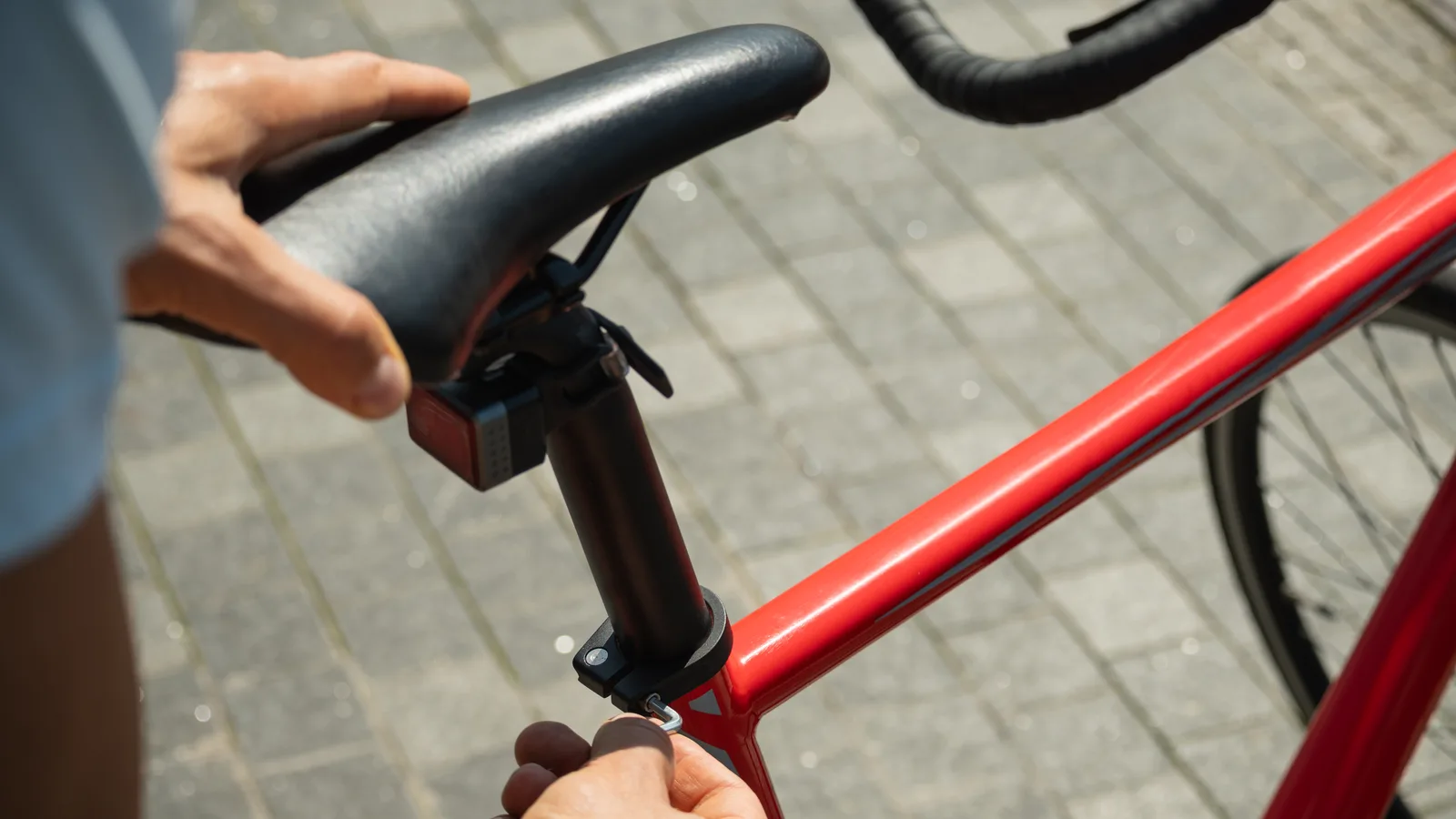
- Adjust in small steps. Loosen the seatpost clamp, move the saddle a few millimeters, retighten the clamp, and check again.
What the review could not settle
The authors were plain about the limits: the studies used different methods to set saddle height, measured different outcomes, had small samples and mostly tested riders without much experience. There was little direct evidence linking saddle height to injuries themselves, as opposed to knee motion and forces, and the review called for studies that tie the two together. The 25 to 30 degree range is a starting point grounded in that evidence, not a guarantee against knee pain. Riders who already have knee pain, or are returning after a knee injury or surgery, are better served by a professional bike fit and a clinician's input.
This article reports research and expert guidance. It is not medical advice. Talk to your clinician before changing medication, treatment or a medical diet.
Loading comments…